Canyoning in Wales: A Local's Guide to Beginner-Friendly Routes
Canyoning in Wales is photographed in a way that makes it look like something you need a decade of training to attempt. Ropes, dark water, spray coming off a slab of sandstone. The reality is friendlier than the pictures suggest. The gorges used for first trips are short, the walk-ins are measured in minutes rather than miles, and most of the day is spent sliding, wading and floating through pools rather than hanging off cliffs. If you can swim a short distance and walk uphill with mild grumbling, you are probably in the right audience.
Why Wales Suits a First Canyoning Trip
Two things make Wales unusually good for beginners: the geology and the access.
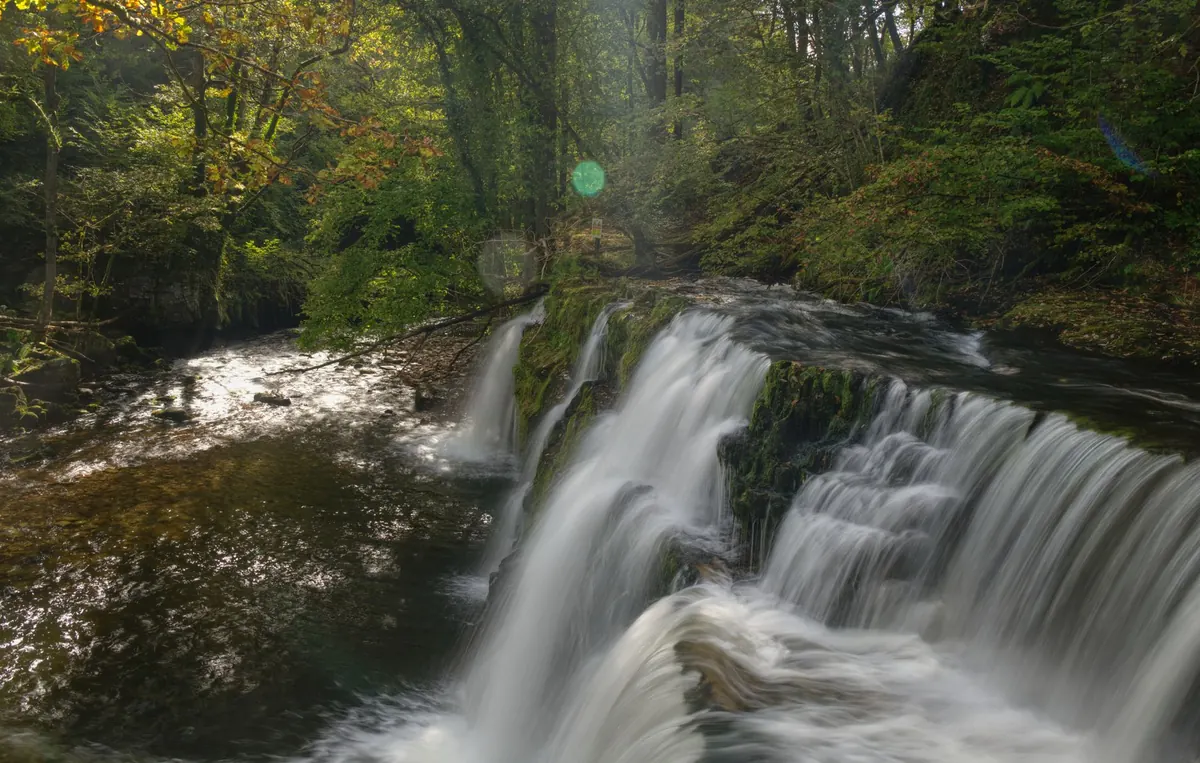
In the Bannau Brycheiniog, the Waterfall Country gorges are cut through bands of hard sandstone sitting over softer mudstone. Water has carved them into steps, so you get a natural ladder of small drops, plunge pools and smooth slides rather than one enormous pitch. In Eryri, older volcanic rock produces tighter, darker slots. Either way, the scale is manageable: a Welsh introductory gorge might take two to three hours end to end, including kitting up and getting changed. Compare that with the big alpine descents where the approach alone can eat half a day.
Access helps too. Several of the best beginner gorges sit within a few hundred metres of a car park, and Wales has a mature activity-tourism industry, with providers based around Pontneddfechan, Betws-y-Coed, Dolgarrog and Llanberis. That density of experience matters: local guides know which pools have shifted after winter floods and which lines stay safe when the water is up.
Beginner-Friendly Gorges Worth Knowing
Afon Sychryd, Waterfall Country
The classic first canyon, near Pontneddfechan in the Bannau Brycheiniog. It is short, low-commitment and forgiving, with a couple of brief abseils, small slides and jumps of a metre or two into pools that are easy to read. Because the gorge drains quickly, it can come back into condition a day or so after rain when bigger nearby streams are still thumping. Good for mixed-ability groups and families with older children.
Afon Ddu, Conwy Valley
Tucked into the woods above Dolgarrog, between Betws-y-Coed and Conwy, this is a well-used instructional gorge: a run of waterfalls, chutes and pools in a ravine that feels genuinely enclosed without being relentless. In normal summer levels it works well for novices, with abseils, slides and jumps where you want them. Ask your guide about the lower section, which changes character when there is a lot of water in the system.
Fairy Glen, near Betws-y-Coed
Narrow, mossy and atmospheric, this is a slot cut into river rock rather than a long descent. Expect an hour or two in the water, plenty of scrambling and some excellent light through the trees. It suits people who want the scenery and the sense of being somewhere hidden without a big physical day. The rock is slick, so it is best done with someone who knows the lines.
When you want more, look at the Afon Mellte and the Nedd Fechan, also in Waterfall Country. They are longer, deeper and more committing, and should be saved for a second or third trip, ideally at low water. The best progression is simply to tell your guide you fancy something harder and let them judge the conditions on the day.
What a Guided Trip Actually Involves
A typical half-day introduction runs like this:
- Meet and kit up. You get a wetsuit, helmet, harness where needed, and usually a buoyancy aid. Boots matter more than people expect; ask whether they are supplied.
- Short walk in. Often ten to twenty minutes, sometimes less.
- Briefing and practice. A low abseil or a simple slide to check your technique and your nerves.
- Into the gorge. A mix of walking, wading, swimming, abseiling, sliding and jumping, with the guide setting up ropes as you go.
- Exit and change. Usually a short climb out, then dry clothes and something hot. Bring a towel and a warm layer for afterwards.
Choosing a Provider
Wales has plenty of good operators and a handful of less good ones. A few questions sort them out quickly.
- Licensing and qualifications. Providers taking under-18s need a licence from the Adventure Activities Licensing Authority. For adults it is voluntary, so ask anyway. Instructors should hold relevant mountain, climbing or gorge leadership awards, plus current first aid training.
- Ratios and group size. Smaller groups mean better supervision and less queuing on a cold rope. Ask for the maximum number per instructor.
- Insurance. Ask what cover the company holds and whether it includes the activity you are booking.
- An honest answer about grade. A good guide will tell you how committing the route is, how many abseils there are, the maximum jump height, and whether there is an escape route.
- A wet-weather plan. They should be happy to move you to a different gorge or rebook rather than push on regardless.
- Recent reviews. Look for comments about safety briefings and how guides handled nervous first-timers, not just how much fun it was.
Safety: The Things That Actually Matter
Water levels and weather
This is the single most important variable. Canyons funnel rainfall from a whole catchment into a narrow channel, and levels can climb fast. Check the forecast for the hills upstream, not just the village where you park, and ask the provider what rainfall would make them cancel. If they cancel, accept it. A rescheduled trip is a minor annoyance; being caught in a rising gorge is not.
In the water
Cold water is the surprise most first-timers underestimate. Even in August, Welsh upland water is cold enough to take your breath away, and that first gasp is a genuine risk near a drop. Wear the wetsuit properly, keep your hood up between sections, and breathe steadily for the first half a minute. Never jump without the guide checking the landing zone, and jump feet first with your arms folded across your chest. Pools change shape after floods, so what was fine last spring may not be fine now.
Tell the guide about anything relevant: non-swimming, a previous shoulder dislocation, asthma, a heart condition, back problems, pregnancy. If you have a medical condition you are unsure about, speak to your GP before booking. Check your travel insurance too, as many standard policies exclude adventure activities unless you add cover.
When to Go and What to Bring
Late spring to early autumn is the main season, with summer giving the most predictable low water. Weekends and school holidays fill up, so midweek bookings are easier to find. Bring a swimming costume to wear under the wetsuit, a towel, dry shoes, a warm layer and a hot drink. Leave valuables behind, and put a phone in a dry bag if you want photos. Most trips finish near a pub, which is the correct way to end the day.
Before You Book: A Quick Checklist
- Decide whether you want a half-day taster or a full day, and say so when you enquire.
- Ask about group size, instructor qualifications and the specific gorge you will be doing.
- Check the forecast for the catchment above the gorge, not just the car park.
- Confirm what kit is provided, especially footwear.
- Be honest about your swimming ability and any medical issues.
Do those five things and canyoning in Wales becomes what it should be: a wet, noisy, genuinely memorable morning out, followed by a very good lunch.
Photo: Jason Reid / Pexels
Adventure Quests in New Zealand: 10 Challenges for Your Bucket List
Ten hiking, paddling and cycling challenges across New Zealand's North and South Islands, with honest...
Solo Travel in Iceland: A Story of Weather, Roads and Wild Camping
Twelve days alone on Iceland's Ring Road: reading the wind, learning Route 1's habits, and how campsite...
About Us